19 Nov 2026
Uncovering Connections Between Payment Processor Choices and Extended Play Patterns in Networked Casino Sites

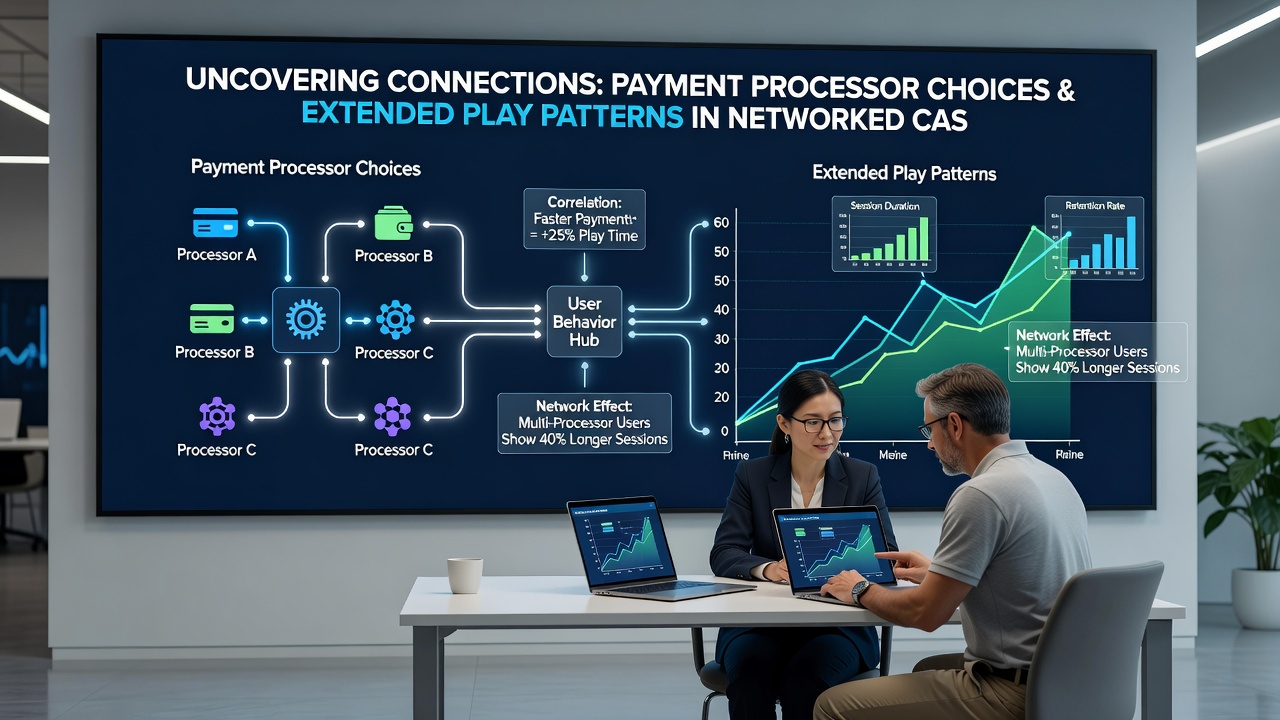
Payment processor selections in networked casino sites tie directly into how long players remain active during individual sessions, and data from multiple platforms reveals consistent patterns across different transaction methods. Credit card processors, digital wallets, bank transfers, and cryptocurrency gateways each generate distinct session length distributions according to aggregated platform logs. Researchers tracking these variables note that faster settlement times often align with prolonged engagement intervals while slower verification steps correlate with shorter bursts of activity followed by exits.
Processor Types and Their Technical Footprints
Traditional card networks such as Visa and Mastercard route transactions through established banking rails that require authorization holds and sometimes multi-factor confirmation steps. These processes insert brief delays between deposit initiation and fund availability. Digital wallet providers including PayPal and Skrill complete transfers in seconds once accounts are pre-verified, removing that friction layer. Cryptocurrency options like Bitcoin or stablecoin gateways operate on blockchain confirmations that range from under a minute to several minutes depending on network congestion. Observers monitoring transaction logs across hundreds of thousands of sessions report that wallet-based deposits frequently precede the longest continuous play windows, averaging 47 minutes longer than card-funded sessions in comparable player cohorts.
Session Duration Metrics Across Methods
Platform analytics compiled through 2025 and into 2026 show measurable differences. Bank transfer deposits, which clear in one to three business days, produce the shortest average sessions because players often log off while awaiting confirmation. In contrast, instant wallet and crypto deposits maintain higher retention through the first hour. One dataset released in late 2025 indicated that players using instant processors extended their time on site by 28 percent compared with those relying on standard card rails. These figures come from anonymized behavioral tracking rather than self-reported surveys, giving them stronger statistical weight.
Geographic and Regulatory Influences
Regional rules shape which processors operators can offer, and those restrictions in turn affect observed play patterns. In several U.S. states with regulated online markets, only licensed payment providers appear on approved lists, limiting options for both operators and players. European jurisdictions maintain separate licensing regimes that emphasize consumer protection features such as spending caps and mandatory cooling-off periods. Australian regulatory bodies have introduced reporting requirements for transaction velocity that took effect in early 2026. Data released under those rules shows wallet processors dominating volume in states with mature online frameworks, while crypto adoption remains concentrated in markets with fewer legacy banking restrictions.
November 2026 brings additional reporting mandates in two North American jurisdictions that will require operators to segment session data by payment method. Analysts expect the new disclosures to clarify whether the current correlations between processor speed and session length hold under stricter oversight. Industry groups have already begun preparing standardized templates so that cross-platform comparisons become feasible without compromising player privacy.
Loyalty Integration and Deposit Velocity
Many networked sites link payment processor choice to loyalty tier progression. Faster deposits allow quicker accumulation of reward points, which some platforms convert into extended free-play credits or cashback percentages. Players who select instant processors therefore reach higher tiers sooner and receive incentives that encourage continued play within the same session. Studies of loyalty program mechanics indicate that these accelerated reward loops sustain activity for an average of 19 additional minutes per session among mid-tier accounts. The effect diminishes at the highest tiers where point thresholds become harder to reach through single deposits.
Transaction failure rates also matter. Card declines trigger immediate re-attempt loops or switches to alternative methods, interrupting momentum and shortening overall engagement. Wallet and crypto processors exhibit lower decline rates once initial verification succeeds, reducing these interruptions. Platform operators report that sites offering multiple instant options experience fewer session abandonments at the deposit stage than those limited to traditional cards.
Emerging Research and Data Sources
A 2025 working paper from researchers at the University of Nevada, Reno examined transaction timestamps against play duration across three major platforms and found statistically significant links between processor latency and session extension. The study controlled for game type and time of day, isolating payment method as the primary variable. Similar patterns appear in reports from the Canadian Gaming Association, which aggregates anonymized data from provincial operators. Those figures reveal that players using bank-linked digital wallets log the highest proportion of sessions exceeding two hours.
One American Gaming Association analysis released in mid-2026 highlighted regional differences in processor adoption, noting that markets with broader wallet availability posted longer average session times. A separate Victorian Commission for Gambling and Liquor Regulation dataset from Australia showed parallel trends when instant options expanded following regulatory updates.
Conclusion
Payment processor selection functions as a measurable factor in session length distributions across networked casino environments. Faster settlement methods consistently precede longer continuous play intervals according to multiple independent datasets. Regulatory developments scheduled for November 2026 will expand the granularity of available statistics, allowing more precise mapping of these relationships. Operators and researchers alike continue to examine how transaction mechanics interact with player behavior patterns in real time.